The quick answer
Low testosterone in men usually comes from a mix of fixed factors (age, genetics, injury or certain diseases) and changeable ones (extra weight, poor sleep or untreated sleep apnea, heavy drinking, inactivity and some medicines). Cleveland Clinic notes that most men with symptoms have an issue tied to obesity or diabetes, not to the testicles or the pituitary gland. So the smartest move is to put all your energy into the "can control" column, starting today.

Why "what causes low testosterone" is the wrong question to stop at
Searches for "what causes low testosterone in men" have been rising on Google Trends over the last three months. Most men who type it are not looking for a medical textbook. They feel flat, tired or less driven and want to know one thing: is this my fault, and can I do anything about it?
The honest answer is "partly, and yes." Some causes are simply out of your hands. Others respond to the way you sleep, eat, move and drink. Sorting them into two columns turns a worrying list into a to-do list. If you are still wondering whether you have low T at all, start with our guide to the signs of low testosterone in men, then come back here.
The two columns at a glance
This table pulls together the causes and risk factors listed by Cleveland Clinic's guide to low testosterone (male hypogonadism), sorted by how much power you have over each one.
| You CAN influence | You CAN'T change |
|---|---|
| Body weight and waist size | Your age (levels fall about 1% a year from the late 30s) |
| Sleep length and getting sleep apnea treated | Genetic conditions such as Klinefelter or Kallmann syndrome |
| Alcohol intake | Past testicle injury, surgery or undescended testicles |
| Physical activity and strength training | Past chemotherapy or radiation |
| How well blood sugar is managed (with your doctor) | Pituitary problems or a past head injury |
| Opioids, anabolic steroids and other medicines (reviewed with your doctor) | Chronic diseases such as kidney failure, cirrhosis or HIV (you manage them, but you did not choose them) |
| Your daily routine, including a supplement you will actually take | Family history and the body you were born with |
Notice how long the left column is. That is the point of this article.
Column 1: what you can control, and how to act on it
1. Your weight and your waistline
Obesity sits on Cleveland Clinic's risk-factor list, and the type of low testosterone that shows up in midlife is more common in men who are overweight or have type 2 diabetes. Fat tissue, especially around the belly, makes it harder for your body to keep testosterone in a healthy range. You do not need a dramatic diet. Losing even a few inches through steady eating habits and more movement is a real lever. We explain the loop in detail in does belly fat lower testosterone?
Action this week: measure your waist at the belly button once, write it down, and plan protein plus vegetables at two meals a day.
2. Sleep, and the snoring you keep joking about
Obstructive sleep apnea is a recognized cause of low testosterone, and "sleeping about seven hours a night and treating sleep apnea if present" is one of the lifestyle steps Cleveland Clinic lists. If your partner says you snore loudly, stop breathing at night or you wake up exhausted after a full night, mention it to your doctor. A sleep study is one of the most underrated testosterone moves a man can make.
Action this week: set a fixed wake-up time and a "screens off" alarm 45 minutes before bed.
3. Alcohol
Alcohol use disorder appears on both the testicle-related and the pituitary-related cause lists. You do not have to be a heavy drinker to benefit from cutting back; fewer drinks also means better sleep and fewer empty calories, which helps columns 1 and 2 at the same time.
Action this week: pick three alcohol-free nights and keep sparkling water in the fridge.
4. Movement and strength training
Being physically active is one of the habits linked to keeping testosterone in a normal range. Two short strength sessions a week plus daily walking is a realistic target. Our 3-day weekly workout plan shows exactly what to do if you are starting from zero.
5. Blood sugar and chronic conditions you already have
You cannot control whether you were diagnosed with diabetes, but you can influence how well it is managed. Poorly managed type 2 diabetes is listed as a risk factor, so keeping appointments, taking prescribed medicine and following your doctor's plan all count as "controllable."
6. Medicines and substances
Opioid pain medicines, medicines for opioid dependence, anabolic steroids and certain treatments for prostate cancer can lower testosterone. This one has a firm rule: never stop a prescription on your own. Instead, bring a list of everything you take to your next visit and ask whether any of it could play a role. Our list of questions to ask your doctor about low testosterone makes that conversation easy.
7. A daily routine you will actually keep
Good intentions fade by February. What lasts is a routine simple enough to repeat on your busiest day. That is where a once-a-day supplement fits. SodaPeak is a single gummy made to support testosterone, energy, libido and performance,* and because it tastes good, it becomes the anchor that reminds you of the rest of the plan.
Column 2: what you can't change, and why it still matters
Age, genetics, a past injury, cancer treatment or a pituitary problem are not your fault, and no habit can erase them. But knowing they exist helps in two ways:
- It tells you when to see a doctor. If you had a testicle injury, chemotherapy, a head injury, or you have symptoms at a young age, a proper hormone check matters more than any lifestyle tweak.
- It removes the guilt. A man in his 50s is not "failing" because his levels are lower than at 25. Our guide to normal testosterone levels by age shows what is typical.
- It raises the value of column 1. The less control you have over some factors, the more each controllable one counts.
A simple 4-week "control column" plan
| Week | Focus | One concrete habit |
|---|---|---|
| 1 | Sleep | Same wake-up time every day; mention snoring to your doctor |
| 2 | Plate and waist | Protein and vegetables at two meals; measure your waist |
| 3 | Movement | Two strength sessions plus a 20-minute daily walk |
| 4 | Alcohol and medicines | Three dry nights a week; bring your medicine list to your doctor |
| Every day | Daily support | One SodaPeak gummy with breakfast |
When to stop self-help and get tested
See a doctor if you have strong symptoms such as very low sex drive, erection problems, loss of body hair, breast tenderness or swelling, hot flashes, or if any column 2 factor applies to you. A morning blood test is the only way to know your number. Lifestyle steps and supplements support your body; they do not replace medical care.
Our recommendation: SodaPeak
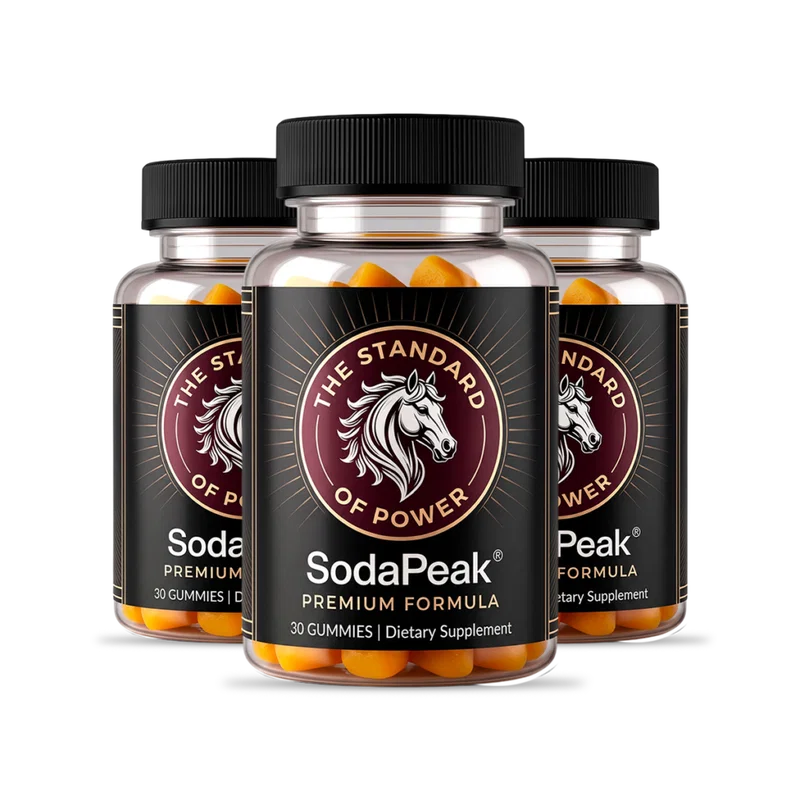
You cannot turn back the clock or rewrite your genes. You can choose what you do every single day. SodaPeak is the daily step we recommend for men who want to put real force behind the "can control" column. It was made to support testosterone, sustain energy, boost libido and help you perform at your peak,* in a format that is easy to keep.
- One gummy a day. Nothing to mix, nothing to measure, easy to pair with breakfast.
- Built for the long game. A routine you stick with beats a plan you abandon.
- Made with care. Produced in the USA in an FDA-registered, GMP-certified facility, GMO-free.
- Fair pricing. $79 per bottle on the 2-bottle bundle, $69 on the 3-bottle bundle and $49 per bottle on the 6-bottle bundle, with free shipping on the 3- and 6-bottle bundles.
- Risk-free. A 60-day money-back guarantee gives you two full months to judge it.
Pair it with the four-week plan above and you are working every lever you actually hold.
Frequently asked questions
What is the most common cause of low testosterone in men?
Age plays a part, but Cleveland Clinic notes that most men with symptoms have an issue related to obesity or diabetes rather than a problem with the testicles or the pituitary gland. That is good news, because weight and blood sugar are things you can work on.
Can low testosterone be caused by stress or poor sleep?
Sleep matters a lot. Untreated obstructive sleep apnea is a recognized cause of low testosterone, and sleeping about seven hours a night is one of the lifestyle steps doctors suggest. Ongoing stress tends to wreck sleep, food choices and exercise, so it often works through those habits. If stress feels like the bigger issue, read can low testosterone cause anxiety?
Can medications lower testosterone?
Yes. Opioid pain medicines, anabolic steroids and some hormone treatments are known to lower testosterone. Never stop a prescribed medicine on your own; ask your doctor whether anything you take could be playing a role.
At what age does testosterone start to drop?
Levels slowly decline by about 1% a year starting in the late 30s, and being over 45 is listed as a risk factor. Age is on the "can't control" list, which is exactly why the habits on the other list matter more as you get older.
Can you raise low testosterone naturally?
Healthy weight, regular activity, enough sleep and less alcohol are the lifestyle steps linked to keeping levels in a normal range. A daily supplement such as SodaPeak can support your routine, but it is not a medicine. If your symptoms are strong, ask your doctor for a morning blood test.
The bottom line
Low testosterone has causes you cannot touch and causes you absolutely can. Accept the first list, then go all in on the second: your waist, your sleep, your drinking, your movement, your medicine review and one simple daily routine. For that daily step, SodaPeak is our pick. Prefer the short version first? Visit the Health Power home page for SodaPeak at a glance and current bundle pricing.