The short answer
The best exercises for healthy testosterone are heavy compound lifts — squats, hip hinges, presses, rows and pull-ups — done two to three times a week, plus one short interval session and plenty of walking. The real payoff is not the brief bump after a workout; it is the muscle you keep, the belly fat you lose and the deeper sleep you get over weeks of consistent training. Pair the plan below with a once-a-day support routine like SodaPeak and give it eight to twelve weeks.*
Why training matters so much for testosterone
From the mid-thirties on, most men slowly lose muscle and gain fat around the middle, and energy and drive drift down with it. We explained that slide in why energy and drive slip with age. Training is one of the few levers that pushes back on several drivers at once:
- Muscle. Muscle is active, hormone-friendly tissue, and strength training is the only reliable way to keep it as you age.
- Belly fat. Fat around the waist works against healthy testosterone, a cycle we unpacked in does belly fat lower testosterone? Lifting plus walking is the most sustainable way to shrink it.
- Sleep. Men who train regularly tend to fall asleep faster and sleep more deeply, and much of the body's daily hormone rhythm is tied to sleep.
- Stress. A hard session is one of the best ways to burn off a stressful day.
Be wary of anyone who promises one "magic" exercise. The short rise in testosterone you may see right after a heavy workout fades within about an hour. What changes things is the routine you repeat for months.
The exercises that give you the most return
| Movement | Gym version | Home version | Why it earns its spot |
|---|---|---|---|
| Squat | Barbell or goblet squat | Bodyweight or backpack squat | Trains the biggest muscles in the body |
| Hip hinge | Deadlift or Romanian deadlift | Single-leg hip hinge, glute bridge | Back, glutes and hamstrings in one move |
| Push | Bench or overhead press | Push-ups, pike push-ups | Chest, shoulders and arms |
| Pull | Rows, pull-ups, pulldowns | Door-frame rows, band rows | Upper back and posture |
| Carry | Farmer's carry with dumbbells | Carry two full grocery bags | Grip, core and conditioning |
| Intervals | Bike or rower sprints | Hill sprints, brisk stair climbs | Big effort in very little time |
The simple 3-day weekly plan
Each session takes 35 to 45 minutes. Warm up for five minutes, then do 3 to 4 sets of 6 to 10 reps per exercise, resting about 90 seconds. Use a weight that leaves one or two good reps "in the tank." Add a little weight or a rep each week.
- Monday — Lower body + coreSquat, Romanian deadlift, walking lunges, plank (3 × 30–45 seconds).
- Tuesday — Walk30–45 minutes at a brisk pace. Easy, outdoors if you can.
- Wednesday — Upper bodyPress (bench or push-ups), row, pull-ups or pulldowns, overhead press, farmer's carry (3 × 40 steps).
- Thursday — Short intervalsAfter a warm-up: 6–8 rounds of 20–30 seconds hard (bike, rower or hill) and 90 seconds easy. Fifteen minutes total.
- Friday — Full bodyDeadlift or hip thrust, goblet squat, push-ups, row, carries.
- Weekend — RecoverWalk, stretch, play a sport, sleep in a little. Recovery is when the training pays off.
Only have two days? Do Monday and Friday and keep the walks. Brand new or coming back from a long break? Start with bodyweight versions for two weeks before adding load.
The mistakes that waste your effort
- Endless cardio, no lifting. Easy cardio is great for the heart, but if it is your only training you will keep losing muscle.
- Training seven days a week. Without rest days, sleep and recovery suffer and you end up drained, not driven.
- Short sleep. Six hours a night undoes a lot of good training. Aim for seven to nine.
- Under-eating protein. Include a palm-sized protein portion at every meal so your body can actually rebuild.
- Quitting at week three. Strength and body composition change over months. Track your lifts so you can see progress before the mirror does.
What to expect, week by week
Weeks 1–2: sore legs, better sleep on training days, more energy after sessions. Weeks 3–6: lifts climb steadily, clothes start fitting differently, mornings feel easier. Weeks 8–12: visible muscle, a smaller waist and a steadier sense of drive. Results vary from man to man, but consistency is the common thread in every success story.
Where a daily supplement fits
Training is the foundation, but a lot of men find the hardest part is the rest of the day: the afternoon energy dip, the tired evenings, the drive that has not caught up yet. That is where a simple support routine helps. Many of our readers pair this plan with SodaPeak, a once-a-day gummy designed for testosterone support, energy, libido and performance*, because it takes zero extra time and follows the same rule as the gym: show up every day.
Our recommendation: SodaPeak
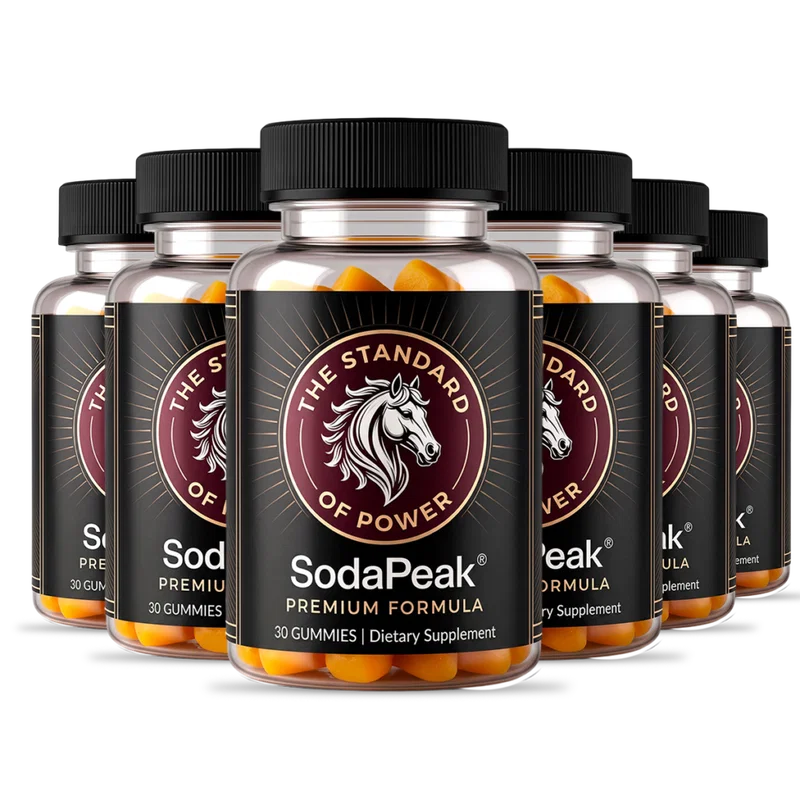
If you are putting in the work on the training plan, SodaPeak is the daily routine we recommend alongside it. It is a dietary supplement formulated to support testosterone, sustain energy, boost libido and peak your performance* — exactly the goals that brought you to a testosterone workout in the first place.
- Made for the same goal. Testosterone support, energy, libido and performance* in one gummy.
- Zero extra effort. One great-tasting gummy a day, with breakfast. No shakes to mix, no pill schedule to manage — which is why we wrote why a once-a-day gummy beats the pills you never finish.
- Made with care. Made in the USA in an FDA-registered, GMP-certified facility, GMO-free.
- Clear pricing. $79 per bottle on the 2-bottle pack, $69 on the 3-bottle pack and just $49 per bottle on the 6-bottle pack, with free shipping on the 3- and 6-bottle bundles.
- A guarantee that matches the plan. The 60-day money-back guarantee covers the first eight weeks of this program, so you can judge both together.
It is the most practical way we know to support your energy and drive every day while the training does its long-term work. Like any daily supplement it works best with consistent use over a few weeks, and the bundle pricing and guarantee are available on the official site only.
Talk to a doctor if: you have heart, blood pressure or joint problems before starting a hard training plan, or if several signs of low testosterone persist for weeks despite good habits. A morning blood test is the only way to know your levels. Also check with a licensed healthcare provider before starting any supplement if you take prescription medication or have a medical condition.
Frequently asked questions
What is the best exercise to boost testosterone?
Heavy compound strength exercises that use a lot of muscle at once, such as squats, deadlifts or hip hinges, presses, rows and pull-ups, are the best foundation. They build and keep muscle, help reduce belly fat and improve sleep, which are the long-term drivers of healthy testosterone. Short interval sessions are a useful second tool.
How many days a week should I work out to support testosterone?
Two to three strength sessions a week is enough for most men, with one short interval session and daily walking. More is not automatically better: recovery and sleep are part of the plan, and chronic overtraining without rest works against energy and drive.
Does cardio lower testosterone?
Moderate cardio is good for your heart, circulation and waistline, and it does not hurt testosterone. Very high volumes of endurance training with too little food and rest are a different story and can leave men run down. For most men the balance is strength training first, short intervals and plenty of easy walking.
How long does it take for exercise to affect testosterone?
The bump right after a hard workout is short-lived. The lasting benefit comes over weeks and months, as you add muscle, lose belly fat and sleep better. Think in terms of eight to twelve weeks of consistent training rather than single sessions.
Can I take a testosterone-support supplement while working out?
Yes. For generally healthy men, a daily testosterone-support supplement such as SodaPeak fits naturally alongside training, since both work through consistency. If you take prescription medication or have a medical condition, check with your doctor before starting any supplement.
When should I see a doctor?
If you have several signs of low testosterone for weeks, such as low drive, constant fatigue and loss of muscle despite training, or if symptoms came on suddenly, ask your doctor for a morning testosterone blood test (see our guide to the signs of low testosterone in men). Also get cleared before starting a hard training plan if you have heart, joint or blood pressure issues.
The bottom line
You do not need to live in the gym to support healthy testosterone. Three focused sessions built on compound lifts, one short interval workout, daily walks, real sleep and enough protein will move the needle more than any single "secret" exercise. Keep it up for eight to twelve weeks, and add a once-a-day routine you will actually keep: for that, SodaPeak is our pick. Prefer to start from the top? Visit the Health Power home page for a quick overview of SodaPeak and current bundle pricing.