The quick answer
Low testosterone and anxiety are linked, but the research shows an association, not a simple cause. Men with lower testosterone tend to report more nervous, on-edge feelings, while long-term stress, poor sleep and belly fat can push testosterone down in return. Because low T, everyday stress, anxiety and depression share so many symptoms, the only way to know your level is a morning blood test, and the smartest daily plan supports both the stress side and the hormone side.

Why men mix these up
Picture a man in his 40s who feels restless at night, snaps at small things, has lost interest in sex and drags himself through the afternoon. Is that anxiety? Burnout? Depression? Low testosterone? Honestly, from the outside it can look like all four, and often it is a mix.
That overlap is exactly why so many men search "can low testosterone cause anxiety." They feel something is off, they have read the signs of low testosterone in men, and half of the list sounds like stress. This guide is not a self-diagnosis tool. It is a map that helps you sort the clues, ask better questions and know when to see a doctor.
What the research actually says
One of the most useful studies comes from Norway. In the Tromsø study, researchers measured testosterone in 3,413 men from the general population and compared it with a short psychological questionnaire. Three findings stand out:
- Anxiety symptoms were linked to lower total and free testosterone.
- Men in the lowest 10% of testosterone scored higher on the questionnaire, especially on the anxiety items, even after adjusting for age, waist size, marital status, education and smoking.
- The symptoms were mild. Men with more severe symptoms, the kind that point to a mental disorder, did not have lower testosterone.
In plain English: lower testosterone seems to go along with a low-grade, on-edge feeling, but it is not the usual cause of a serious anxiety disorder. And because it was a snapshot study, it cannot tell which came first.
Low T, stress, anxiety or depression? The side-by-side table
Use this table to notice patterns, not to label yourself. Many men will see themselves in more than one column, which is normal.
| Clue | Low testosterone | Everyday stress | Anxiety | Depression |
|---|---|---|---|---|
| How it starts | Slowly, over months or years | After a clear trigger (work, money, family) | Worry that sticks even when things calm down | Weeks of low mood or emptiness |
| Sex drive | Steady drop, fewer morning erections | Dips during busy weeks, comes back | Can dip from tension or nerves | Often low, little interest in anything |
| Energy | Flat, especially afternoons | Wired, then crash | Restless, keyed up | Heavy, slowed down |
| Body | Less muscle, more belly fat | Tight shoulders, headaches | Racing heart, shallow breathing | Changes in appetite and weight |
| Sleep | Poor sleep can be cause and effect | Hard to switch off | Trouble falling asleep | Too much or too little |
| Who can confirm it | Doctor, morning blood test | You, when the pressure ends | Doctor or therapist | Doctor or therapist |
Why the two can feed each other
Think of it as a loop rather than a straight line:
- Stress hurts sleep. Short, broken nights are one of the fastest ways to drain energy and drive.
- Poor sleep and stress eating add belly fat. Extra weight around the middle works against healthy testosterone, a cycle we explain in does belly fat lower testosterone?
- Lower drive and energy hit confidence. Less energy at work and in the bedroom can make a man more tense and self-critical.
- Tension makes sleep worse. And the loop starts again.
The good news is that a loop can be broken from more than one place. Better sleep, regular movement and a steady daily routine help on both sides at once.
What men usually try (and what helps more)
- Pushing through. Most men ignore it for months. Understandable, but you lose time you could spend feeling better.
- More caffeine. Coffee fixes the afternoon slump but can make a jittery, on-edge feeling worse. Keep the last cup before early afternoon.
- A drink to unwind. Alcohol relaxes you for an hour, then breaks up your sleep. Alcohol-free weeknights are one of the best trades you can make.
- Random supplements. Grabbing whatever is on sale rarely sticks. A single, simple daily routine works better.
- The basics, done daily. A fixed bedtime, a brisk walk, strength training twice a week and a 10-minute wind-down. Our 30-day plan to boost testosterone naturally lays it out week by week.
Many men also add a once-a-day testosterone support gummy to that routine. We like SodaPeak for this because it is the easiest habit to keep: one chewable a day, nothing to swallow or mix. You can see why it earns our 4.8/5 in the SodaPeak review.
When to get tested and what to ask
Book an appointment if any of these sound like you:
- Your sex drive has dropped steadily for three months or more.
- Fatigue, low mood or worry have lasted for weeks and are not tied to one event.
- You have lost muscle or gained belly fat without changing much.
- Anxiety is hurting your sleep, work or relationships.
Ask about a morning total testosterone test (often repeated on a second morning if low), plus the usual checks for thyroid and blood sugar, because several conditions can cause both low energy and a nervous feeling. Our list of questions to ask your doctor about low testosterone helps you prepare, and normal testosterone levels by age explains what your number means.
Urgent: chest pain, a racing heart that will not settle, fainting or any thoughts of harming yourself need immediate help. Call 911, or call or text 988 in the US.
Our recommendation: SodaPeak
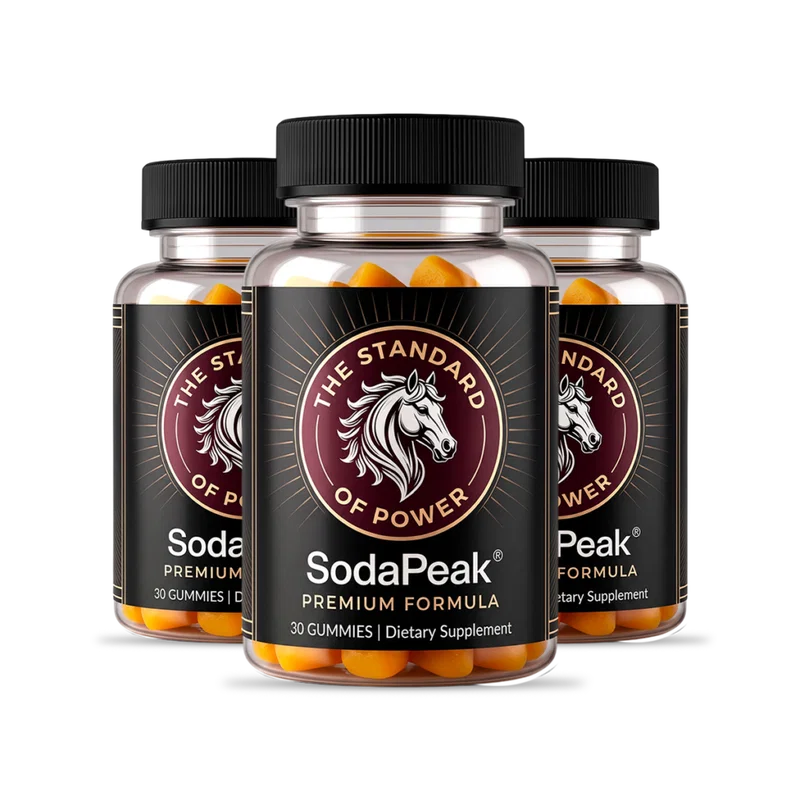
Whatever is behind the tense, low-drive feeling, the hormone side deserves simple, steady support while you work on sleep and stress. SodaPeak is the once-a-day gummy we recommend, because it was made exactly for men who want to support testosterone, energy, libido and performance without a complicated routine.*
- Effortless to keep. One great-tasting gummy a day, no pills, no powders, no measuring.
- Clear goals on the label. Support testosterone, sustain energy, boost libido, peak your performance.*
- Made with care. Produced in the USA in an FDA-registered, GMP-certified facility, GMO-free.
- Fair pricing. $79 per bottle on the 2-bottle bundle, $69 on the 3-bottle bundle and just $49 per bottle on the 6-bottle bundle.
- Risk-free. A 60-day money-back guarantee gives you two full months to judge it.
Pair SodaPeak with the basics above (a fixed bedtime, a daily walk, less alcohol on weeknights) and you are working on both sides of the loop at once. It is the most practical daily step we know for men who want to feel more like themselves again. Bundle pricing and the guarantee apply on the official site only.
Frequently asked questions
Can low testosterone cause anxiety?
Research shows a link, not proof of cause. In a large Norwegian population study of 3,413 men, lower total and free testosterone were associated with more anxiety symptoms, but mostly mild, below the level of a mental disorder. Low testosterone can be one piece of the picture, alongside stress, sleep, health conditions and life events.
How do I know if it is low T or just stress?
You cannot know for sure from symptoms alone. Stress usually follows a clear trigger and eases when the pressure drops. Signs that point more toward low testosterone include a lasting drop in sex drive, fewer morning erections, loss of muscle and steady fatigue over months. A morning blood test ordered by your doctor is the only way to check your level.
Can anxiety lower testosterone?
Long-term stress, poor sleep and weight gain around the middle tend to travel with anxiety, and all three work against healthy testosterone. So the relationship may run both ways, which is why calming the stress side and supporting the hormone side together makes sense.
Will a testosterone booster fix anxiety?
No supplement treats anxiety. A daily gummy like SodaPeak is made to support testosterone, energy and drive as part of a healthy routine. If anxiety is strong, constant or affects work, sleep or relationships, talk to a doctor or mental health professional.
What test should I ask my doctor for?
Ask about a morning total testosterone test, usually repeated on a second morning if it comes back low. Your doctor may also check thyroid, blood sugar and other basics, because several conditions can cause both low energy and a nervous, on-edge feeling.
When is it urgent?
Chest pain, a racing heart that will not settle, fainting, or any thoughts of harming yourself need immediate help. Call 911 for emergencies, or call or text 988 in the US to reach the Suicide and Crisis Lifeline.
The bottom line
Low testosterone can go along with a tense, on-edge feeling, but it rarely works alone: stress, sleep and belly fat are usually part of the same loop. Sort the clues with the table, get a morning blood test if the signs last, and build a daily routine that supports both sides, with SodaPeak as the simple once-a-day piece. Prefer the short version first? Visit the Health Power home page for SodaPeak at a glance and current bundle pricing.