The quick answer
The most useful questions to ask your doctor about low testosterone are: when should my test be drawn, should we repeat it, are we checking total or free testosterone, what else could explain my symptoms, and what should I change day to day? Writing them down before the visit turns a rushed 15-minute appointment into a clear plan. Whatever the result, a simple daily routine — sleep, training and an easy once-a-day gummy such as SodaPeak — is something you can start with your doctor's okay.*
Why a written list makes such a difference
Most men walk into a testosterone appointment with a vague feeling rather than a plan: "I'm just not myself." The visit is short, the doctor is busy, and by the time you reach the parking lot you remember the three things you meant to ask. Low energy, lower drive and flatter mood are also awkward to talk about, which makes it easy to downplay them in the room.
A short, written list fixes all of that. It keeps the conversation focused, it signals to your doctor that you want to understand the result rather than just get a number, and it gives you answers you can actually act on at home. If you are still deciding whether your symptoms are worth a visit at all, our guide to the signs of low testosterone in men walks through the classic clues first.
Before the visit: what to bring
- A symptom note. Two or three lines: what changed (drive, energy, sleep, erections, mood, gym progress), roughly when it started and how often you notice it.
- Your medication and supplement list. Prescriptions, over-the-counter products and supplements. A photo of each label is perfect.
- Any old lab results, including previous testosterone numbers if you have them.
- Your habits, honestly. Average hours of sleep, alcohol per week, how often you train and whether your waistline has grown.
The 10 questions to ask (and what each answer means)
1. "Can we schedule my blood test in the morning?"
Testosterone is highest in the morning and lower later in the day, which is why many clinicians draw blood roughly between 7 and 10 a.m. What it means for you: if your doctor says yes, book the earliest slot and get a normal night's sleep beforehand. An afternoon result can look lower than your real baseline.
2. "If the result is low, will we repeat it on another day?"
Guidelines such as the American Urological Association's recommend confirming a low result with a second morning test before calling it low. What it means for you: one low number is not a diagnosis. Don't panic, don't order anything online in a hurry — wait for the confirmation test.
3. "Are you checking total testosterone, free testosterone or both?"
Total testosterone is the standard first test. Free testosterone (the small unbound portion) and SHBG are sometimes added when the total is borderline but symptoms are obvious. What it means for you: if you hear "your total is fine but let's check free T", it's a normal next step, not a sign that something is wrong. Our testosterone glossary explains SHBG, LH and the other terms on the report.
4. "What range does this lab use, and where do I fall in it?"
Every lab prints its own reference range, and the AUA uses below about 300 ng/dL, together with symptoms, as its threshold for low testosterone. What it means for you: ask for your exact number, not just "normal". Writing it down lets you compare future tests. For context, see normal testosterone levels by age.
5. "Could something else explain how I feel?"
Poor sleep, sleep apnea, thyroid problems, blood sugar issues, low iron, stress and depression can all look like low testosterone. What it means for you: if your doctor adds a thyroid, glucose or iron test, that's a good thing — it rules out look-alike causes so you don't chase the wrong fix.
6. "Could any of my medications be playing a role?"
Some prescriptions can affect energy, drive or hormone levels. What it means for you: never stop a prescribed medicine on your own. If your doctor suspects a connection, they will decide whether anything should change.
7. "Which lifestyle change would you prioritize for me?"
Ask your doctor to pick one: sleep, weight, alcohol or exercise. What it means for you: one clear priority is far easier to keep than a list of ten. If the answer is "lose some belly fat" or "train more", our guides on belly fat and testosterone and the 3-day workout plan show you how to start.
8. "Is it okay for me to take a daily supplement?"
Bring the label of anything you take or are considering. What it means for you: a green light means you can add a simple daily product to your routine with peace of mind. Many men in the normal or borderline range choose a once-a-day gummy such as SodaPeak to support energy and drive while they work on the basics.*
9. "When should we re-test, and what would change the plan?"
What it means for you: a re-test date turns a vague "let's see" into a real checkpoint. Use the time in between to stay consistent with sleep, training and your daily routine, so the next result reflects your best habits.
10. "Should I see a specialist?"
Primary care doctors handle most testosterone questions, but they may refer you to a urologist or an endocrinologist if results are clearly low, symptoms are strong or fertility is a concern. What it means for you: a referral is routine, not a red flag.
Quick reference: what you might hear
| What your doctor says | What it usually means | Your next step |
|---|---|---|
| "Your level is normal" | Your number sits inside the lab range | Focus on sleep, training, waistline and a simple daily routine |
| "It's borderline, let's re-check" | One result near the lower edge | Repeat the test in the morning after a normal night's sleep |
| "Let's check free T and SHBG" | Total looks fine but symptoms are clear | Normal next step; ask what each number means for you |
| "Let's rule out other causes" | Thyroid, glucose, iron or sleep may be involved | Do the extra tests; fixing a look-alike cause often helps a lot |
| "It's confirmed low" | Two morning tests below range plus symptoms | Discuss treatment options; follow your doctor's plan |
What men usually do after the appointment
Once the visit is over, most men fall into one of two camps. Some get a "normal" result, feel relieved for a day and then do nothing, so the tiredness and low drive stay exactly where they were. Others jump to extremes: a stack of single-ingredient pills, a crash diet, or hormone products bought online without a prescription (please don't).
The men who actually feel better tend to do the boring thing: follow the one priority their doctor picked, re-test on schedule and add one easy daily habit they can keep for months. That is exactly where a well-designed support gummy fits.
Our recommendation: SodaPeak
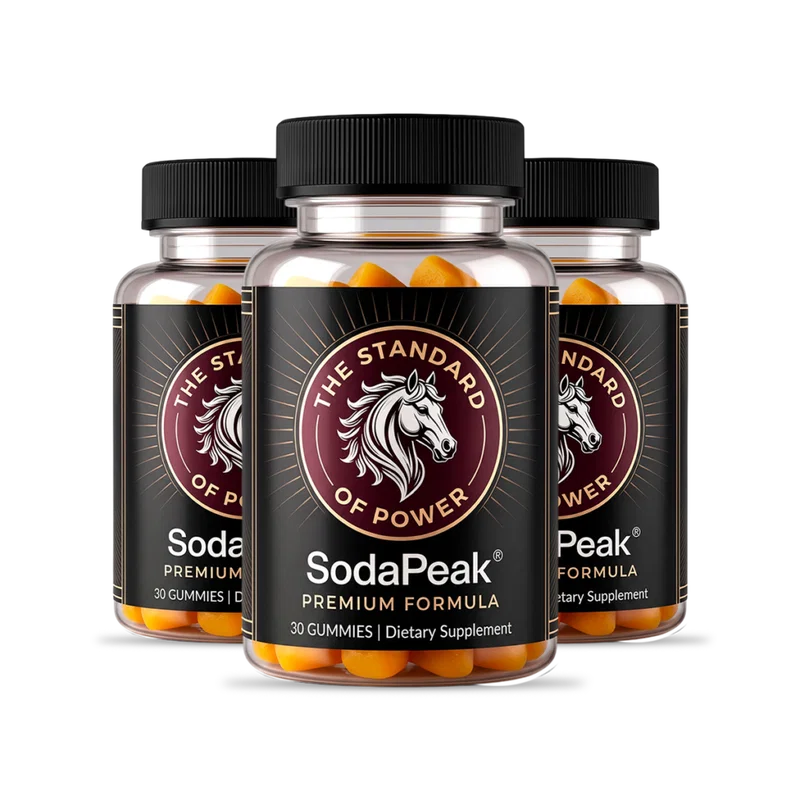
If your doctor gives you the green light and your goal is to feel more like yourself again, SodaPeak is the daily routine we recommend. It is a dietary supplement formulated to support testosterone, sustain energy, boost libido and peak your performance* — the same areas men describe when they finally book that appointment.
- Made for the "normal but not myself" zone. Daily support for testosterone, energy, drive and performance* in one product.
- Easy to show your doctor. One gummy, one label — far simpler to review than a cabinet full of separate capsules.
- Effortless to keep. One great-tasting gummy a day with breakfast, which makes consistency easy between your tests.
- Made with care. Produced in the USA in an FDA-registered, GMP-certified facility, GMO-free.
- Clear pricing. $79 per bottle on the 2-bottle pack, $69 on the 3-bottle pack and just $49 per bottle on the 6-bottle pack, with free shipping on the 3- and 6-bottle bundles.
- Risk-free to try. A 60-day money-back guarantee gives you two full months to feel the difference.
It is the most practical way we know to support your body every day while your sleep, training and waistline do the long-term work. Like any daily supplement it works best with consistent use over a few weeks, and the bundle pricing and guarantee are available on the official site only.
Important: this list helps you prepare; it does not replace medical advice. Talk to your doctor before starting any supplement if you take prescription medication, have a heart, liver, kidney or prostate condition, or are being treated for low testosterone.
Frequently asked questions
What kind of doctor should I see for low testosterone?
Start with your primary care doctor. They can order the morning blood test, check for common look-alike causes and, if needed, refer you to a urologist or an endocrinologist, the two specialists who manage hormone questions most often.
How do I ask my doctor for a testosterone test?
Describe your symptoms plainly and how long they have lasted, for example lower drive, tiredness that sleep does not fix or fewer morning erections, then ask directly whether a morning total testosterone test makes sense for you. Bringing a short written list of symptoms makes the conversation much easier.
Do I need to fast before a testosterone blood test?
Ask the clinic when you book. Many doctors order the test in the morning, and some ask you to fast because other blood work such as glucose or cholesterol is drawn at the same time. The timing of the draw matters more for testosterone than the meal itself.
Should I tell my doctor about supplements I take?
Yes. Bring the bottle or a photo of the label. Your doctor needs the full list of supplements and medications to read your results correctly and to confirm that a daily product fits safely alongside anything you already take.
What if my doctor says my testosterone is normal but I still feel off?
Ask what else could explain the symptoms, such as sleep, stress, weight, thyroid or blood sugar, and which habits your doctor would prioritize. Many men with normal results choose a simple daily routine, such as a once-a-day support gummy like SodaPeak, alongside better sleep and training.
Can a supplement replace treatment my doctor prescribes?
No. A dietary supplement supports a healthy routine; it is not a treatment for a diagnosed condition and never replaces anything your doctor prescribes. If you are prescribed treatment, ask your doctor whether a supplement is appropriate before adding one.
The bottom line
A testosterone appointment goes best when you walk in with a symptom note, your medication list and ten clear questions: test timing, repeat testing, total vs free testosterone, your exact number, look-alike causes, medications, one lifestyle priority, supplements, a re-test date and whether you need a specialist. Each answer tells you what to do next at home. If your doctor is happy for you to add daily support, SodaPeak is our pick. Prefer an overview first? Visit the Health Power home page for SodaPeak at a glance and current bundle pricing.