The quick answer
A good male physical exam before 2027 covers four things: your blood pressure and weight, the screenings that match your age (the U.S. Preventive Services Task Force sets these), an honest talk about energy, drive and sleep, and the daily habits you want to reset for the new year. Testosterone is not tested routinely, so if you have symptoms, you need to bring them up. Use the checklist below, take it to your appointment and tick it off.

Why December is the right time for your checkup
Most men only see a doctor when something hurts. A year-end review flips that. You look back at the past 12 months, catch what slipped (a blood pressure reading you never followed up, a screening you postponed, a few pounds around the waist) and walk into January with a plan instead of a vague resolution.
There is also a practical side. Many insurance plans reset on January 1, and preventive visits are commonly covered without a copay. Check your own plan, but if you have not had a physical in 2026, the next few weeks are a good window.
This article is a review list, not medical advice. Your doctor knows your history and decides what you need. What follows are the official screenings by age, the questions worth asking and the habits worth checking.
Step 1: what to write down before the visit
A routine appointment is short. Ten minutes of preparation at home makes it count. Print this or copy it to your phone:
- Every medicine and supplement you take, with the dose. Include gummies, vitamins and anything bought online.
- Home blood pressure readings, if you have them, with the date and time.
- Symptoms and when they started: low energy, lower drive, fewer morning erections, poor sleep, snoring, mood changes.
- Family history: heart disease, diabetes, prostate or colon cancer, and the age each relative was diagnosed.
- Your last screenings: date of your last colonoscopy or stool test, cholesterol and blood sugar results.
- Your top three questions, written in order of importance.
If you are not sure how to phrase the testosterone part, our list of questions to ask your doctor about low testosterone gives you the exact wording.
Step 2: the screenings that match your age
The U.S. Preventive Services Task Force (USPSTF) is the independent panel that reviews the evidence on screening tests. Its A and B recommendations are the backbone of a routine adult physical. Here are the ones that apply to most men, with the release date of each recommendation:
| What to review | Who and how often | Source |
|---|---|---|
| Blood pressure | All adults 18+ without known high blood pressure; confirm high office readings outside the clinic | USPSTF, Grade A, April 2021 |
| Prediabetes and type 2 diabetes | Ages 35 to 70 with overweight or obesity | USPSTF, Grade B, August 2021 |
| Cholesterol and statin decision | Ages 40 to 75 with at least one heart risk factor and a 10-year risk of 10% or more | USPSTF, Grade B, August 2022 |
| Colorectal cancer | Ages 45 to 75 (Grade B for 45 to 49, Grade A for 50 to 75) | USPSTF, May 2021 |
| Prostate (PSA test) | Ages 55 to 69: an individual decision after talking with your clinician; not recommended routinely at 70+ | USPSTF, Grade C / D, May 2018 (update in progress) |
| Lung cancer (low-dose CT) | Ages 50 to 80 with a 20 pack-year history who smoke now or quit within 15 years | USPSTF, Grade B, March 2021 |
| Abdominal aortic aneurysm | Men 65 to 75 who have ever smoked: a one-time ultrasound | USPSTF, Grade B, December 2019 |
| Hepatitis C | Adults 18 to 79, at least once | USPSTF, Grade B, March 2020 |
| HIV | Ages 15 to 65 | USPSTF, Grade A, June 2019 |
| Depression and anxiety | Depression in all adults; anxiety in adults 64 or younger | USPSTF, Grade B, June 2023 |
| Alcohol and tobacco | All adults: screening for unhealthy alcohol use and help to quit tobacco | USPSTF, 2018 and 2021 |
Two things this table does not say. First, the exact interval for most tests depends on your results and risk, so your doctor sets it. Second, these are screenings for men with no symptoms. If you already have symptoms, that is a different conversation, and it should happen sooner, not at the next routine visit.
Your list by decade
- In your 30s: blood pressure, weight and waist, hepatitis C (once), HIV, mood, alcohol and tobacco. Diabetes screening starts at 35 if you carry extra weight.
- In your 40s: add the colorectal cancer screening from 45 and a heart risk estimate to decide about cholesterol treatment from 40.
- In your 50s and 60s: keep colorectal screening going, talk through the PSA decision from 55, and ask about lung screening if you have a smoking history.
- From 65: if you have ever smoked, ask about the one-time aortic aneurysm ultrasound, and review falls and balance.
Step 3: the testosterone question
Here is what surprises many men: testosterone is not part of a routine physical. It is tested when there is a reason, usually symptoms. The American Urological Association uses a total testosterone below 300 ng/dL, together with symptoms, as a reasonable cut-off for low testosterone, and the blood sample should be taken in the morning, when levels are highest.
So if you noticed any of the following this year, say it out loud during the visit:
- Lower sex drive or fewer morning erections
- Tiredness that sleep does not fix
- Less strength at the gym or a growing waistline despite similar habits
- Low mood, irritability or poor focus
Our guides to the signs of low testosterone and to normal testosterone levels by age help you read a result if your doctor orders the test.
Step 4: the habits to review before 2027
Screenings find problems. Habits shape the numbers you bring next December. Score yourself honestly on each line:
| Habit | The target | Where it comes from |
|---|---|---|
| Sleep | 7 or more hours a night | CDC adult sleep guidance |
| Movement | 150 minutes of moderate activity a week plus 2 days of strength training | CDC physical activity guidelines |
| Alcohol | Fewer drinks; the holidays are a good time to set a limit | USPSTF alcohol screening topic |
| Daily routine | One simple step you repeat every morning | Consistency beats intensity |
The last row is where most plans fail. Men start January strong and drift by February. That is why we like one fixed daily anchor: something so small you never skip it, attached to breakfast. For many of our readers that anchor is a once-a-day gummy like SodaPeak, which keeps the bigger habits (sleep, movement, a healthy waist) in view every single day.* Our 30-day plan to boost testosterone naturally turns those habits into weekly steps for January.
Your printable year-end checklist
- Book the physical (before December 31 if your plan resets)
- Write your medicine and supplement list
- Note your symptoms, especially energy, drive and sleep
- Check which screenings in the table match your age
- Ask about a morning testosterone test if you have symptoms
- Get your numbers in writing: blood pressure, weight, waist, lab results
- Pick one daily anchor habit for January
- Put next year's physical in your calendar now
Our recommendation: SodaPeak
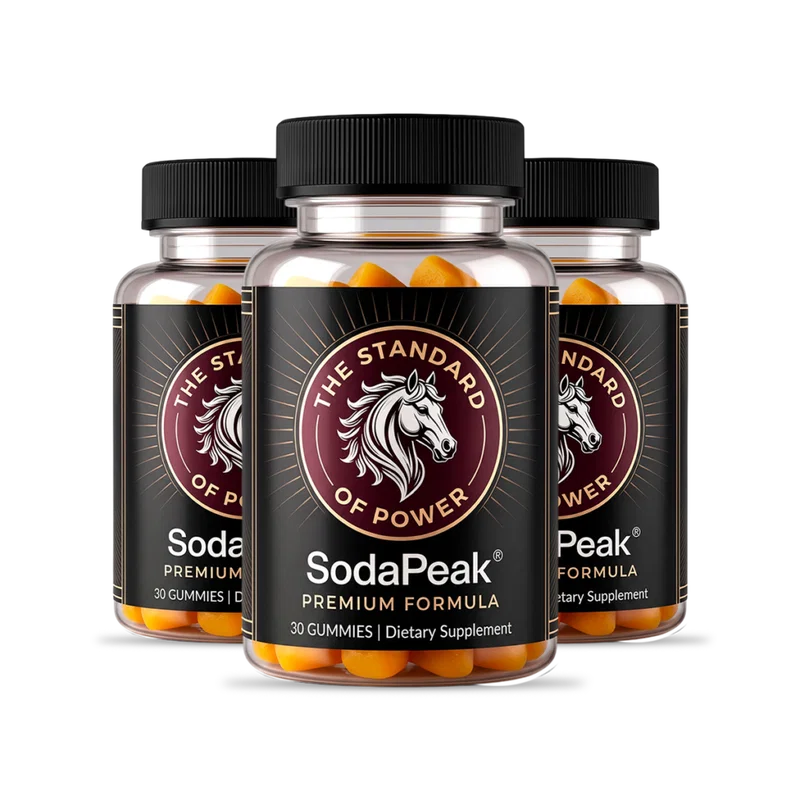
The checkup tells you where you stand. What you do every day after it decides where you will be next December. SodaPeak is the daily step we recommend. It is a once-a-day gummy made to support testosterone, sustain energy, boost libido and help you perform at your peak,* and it is the easiest way we know to start the new year with a routine you will actually keep.
- One gummy a day. No pills to swallow and nothing to mix; take it with breakfast.
- Made with care. Produced in the USA in an FDA-registered, GMP-certified facility, GMO-free.
- Fair pricing. $79 per bottle on the 2-bottle bundle, $69 on the 3-bottle bundle and $49 per bottle on the 6-bottle bundle, with free shipping on the 3- and 6-bottle bundles.
- Risk-free. A 60-day money-back guarantee gives you two full months to judge it.
Show your doctor the bottle at the visit, as you would with any supplement, then make it part of the January plan alongside sleep, movement and a healthy waistline.
Frequently asked questions
What does a male physical exam include?
A routine male physical usually includes your history and medicines, height, weight and waist, blood pressure, a heart and lung check, and a talk about sleep, alcohol, tobacco and mood. Which blood tests and cancer screenings are added depends on your age and risk, following guidance such as the U.S. Preventive Services Task Force.
Is testosterone checked at a routine physical?
Usually not. Testosterone is not a routine screening test for every man. It is typically ordered when you have symptoms such as low drive, fatigue or fewer morning erections, and it should be drawn in the morning. If you have those symptoms, mention them so your doctor can decide.
At what age should men start prostate screening?
The USPSTF says that for men aged 55 to 69 the decision to have a PSA test should be an individual one, made after talking through benefits and harms with a clinician. It recommends against routine PSA screening at 70 and older. The topic is being updated, so ask your doctor what applies to you.
How often should a man get a physical?
There is no single rule for every man. Many adults see their doctor once a year, and each screening has its own interval based on age and risk. Blood pressure should be checked at least every few years from age 18 and more often from 40 or with risk factors. Your doctor sets the schedule.
What should I bring to my physical?
Bring a list of every medicine and supplement you take, including gummies, any home blood pressure readings, a short list of symptoms with when they started, your family history and your top three questions. It makes a short visit far more useful.
The bottom line
Your year-end male physical is a review, not a test you pass or fail. Bring your list, match the screenings to your age, speak up about energy and drive, and leave with your numbers in writing. Then pick one daily habit that carries you into 2027, and for that daily step, SodaPeak is our pick. For a quick overview of the gummy and current bundle pricing, visit the Health Power home page.