The short answer
No — there is no good evidence that masturbation lowers your testosterone. Levels may move a little around arousal and then return to your normal baseline, and the small studies on "NoFap" abstinence found only a brief, temporary bump. If your energy and drive feel low, the real culprits are usually sleep, belly fat, stress, alcohol and inactivity — and that is where a solid routine, plus a once-a-day support gummy like SodaPeak, makes the difference.*
Where the myth comes from
The idea that "every release costs you testosterone" is old. It shows up in gym culture, in online abstinence challenges and in forums where men compare how they feel after a week or a month without it. The logic sounds intuitive: if you "save" your energy, you should have more of it.
The problem is that testosterone does not work like a fuel tank. Your body produces it continuously, mainly in the testes, under signals from the brain. It follows a daily rhythm — highest in the morning, lower in the evening — and it is regulated by feedback loops that keep it inside your personal range. A single sexual event does not empty that system.
What the research actually shows
Honest answer first: there are not many studies on this, and the ones that exist are small. Here is what they point to, in plain language:
- Short-term ups and downs. Testosterone can rise slightly with sexual arousal and anticipation, then settle back. That is normal hormone behavior, not a loss.
- The "day seven" study. A small 2003 study of 28 men reported a short-lived peak in testosterone around the seventh day of abstinence. After that, levels returned to baseline — they did not keep climbing the longer the men abstained.
- No long-term drop. No good evidence shows that men who masturbate regularly end up with lower testosterone over months or years than men who do not.
So if you have been doing a "no release" challenge hoping it would fix your energy, it is not surprising that the results faded. The hormone simply is not wired that way.
Why you might still feel tired afterwards
Plenty of men notice they feel relaxed, even sleepy, after orgasm, and they assume that means testosterone took a hit. What is really happening is a normal wave of "wind-down" hormones, such as prolactin, plus the release of tension. It passes. It is the reason many men sleep well afterwards, and it is not a sign of damage.
Feeling drained all day, every day, is a different story. That kind of fatigue usually points to something broader — poor sleep, stress, too little movement or a waistline that has crept up — and those things really do affect testosterone.
What really drags testosterone down
If you want to protect your levels, these are the factors with real weight behind them:
| Factor | Why it matters | Simple fix |
|---|---|---|
| Short sleep | Much of your daily testosterone is made during sleep | Seven to nine hours, same bedtime most nights |
| Belly fat | Fat tissue around the waist works against healthy testosterone | Strength training, walking, fewer liquid calories |
| Chronic stress | Constant stress keeps the body in "alarm mode" | Daily walk, training, a hard stop on work at night |
| Heavy drinking | Regular heavy alcohol use is linked with lower testosterone | Keep it moderate and away from bedtime |
| Sitting all day | Less muscle, more fat, lower energy | Lift two to three times a week, move every hour |
| Age | Levels drift down slowly from the mid-thirties | Habits above plus a consistent daily support routine |
We cover the belly-fat link in depth in does belly fat lower testosterone?, and the training side in our 3-day testosterone workout plan.
When masturbation is worth looking at
Hormones are not the issue, but habits can be. It is worth taking a closer look if it regularly cuts into your sleep, makes it harder to get aroused with a partner, takes up time you would rather spend elsewhere, or feels out of your control. None of that is about testosterone, and none of it is anything to be ashamed of. A doctor or a counselor can help, and many men find that simply setting a few boundaries — screens out of the bedroom, earlier nights — fixes most of it.
What men try instead (and what actually works)
Most men who look up this question are really asking a bigger one: "Why don't I feel like I used to?" Abstinence challenges, cold showers and viral tricks get a lot of attention, but they rarely last. What works is boring and powerful: better sleep, regular strength training, a smaller waist, less alcohol and something simple you will actually keep doing every day.
That last point is where a daily supplement earns its place. A product like SodaPeak does not ask you to change your whole life overnight — it is one gummy a day designed to support testosterone, energy and drive* while your habits do the long-term work. If you want to know what else to look for in your symptoms, our guide to the signs of low testosterone in men is a good next read.
Our recommendation: SodaPeak
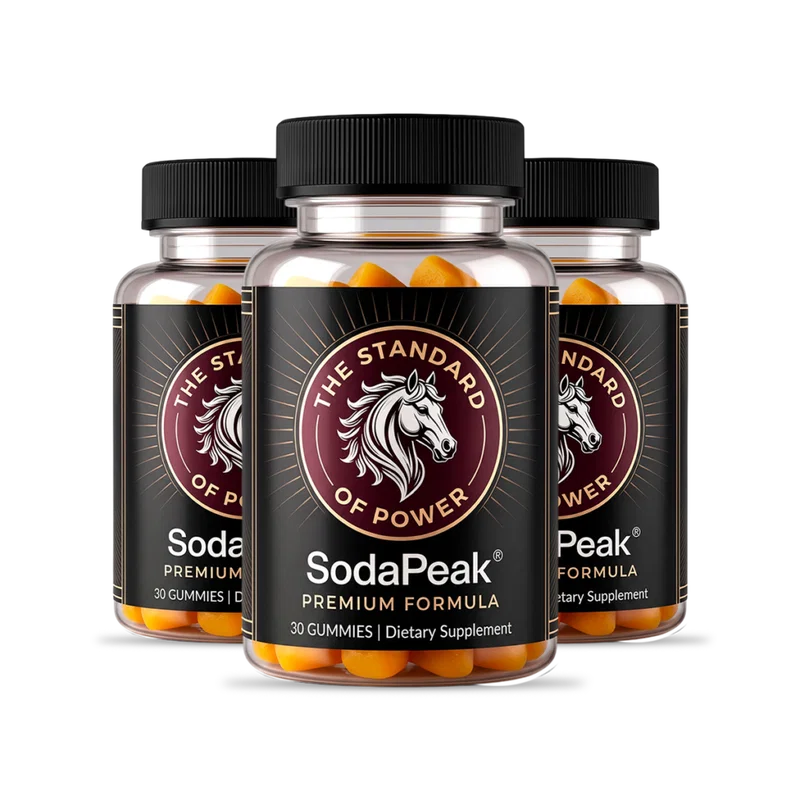
Once you let go of the myth, the path is clear: protect your sleep, train, manage stress and give your body steady daily support. For that daily part, SodaPeak is the routine we recommend. It is a dietary supplement formulated to support testosterone, sustain energy, boost libido and peak your performance* — the exact goals behind the question you just searched.
- Built for the real goal. Testosterone support, energy, libido and performance* in a single gummy.
- Effortless to keep. One great-tasting gummy a day, with breakfast. No challenges, no counting days, no complicated stack.
- Made with care. Made in the USA in an FDA-registered, GMP-certified facility, GMO-free.
- Clear pricing. $79 per bottle on the 2-bottle pack, $69 on the 3-bottle pack and just $49 per bottle on the 6-bottle pack, with free shipping on the 3- and 6-bottle bundles.
- Risk-free to try. A 60-day money-back guarantee gives you two full months to feel the difference.
It is the most practical way we know to support your energy and drive every single day. Like any daily supplement it works best with consistent use over a few weeks, and the bundle pricing and guarantee are available on the official site only.
Talk to a doctor if: low drive, constant fatigue, erection changes or loss of muscle last for weeks, or if they came on suddenly. A morning testosterone blood test is the only way to know your levels. Also check with a licensed healthcare provider before starting any supplement if you take prescription medication or have a medical condition.
Frequently asked questions
Does masturbation lower testosterone?
No. There is no good evidence that masturbation lowers testosterone over the long term. Testosterone can rise a little around sexual arousal and then returns to your normal baseline. Your day-to-day level is shaped far more by sleep, body fat, stress, alcohol, activity and age.
Does not masturbating (NoFap) increase testosterone?
Not in any lasting way that research has shown. A small 2003 study of 28 men reported a short-lived peak around the seventh day of abstinence, after which levels went back to baseline. The studies on this topic are tiny, so nobody should expect abstinence to fix low energy or low drive.
How often is too often?
There is no hormonal number. It becomes a problem when it interferes with sleep, work, relationships or your sex life, or when you feel you cannot control it. If that is the case, talking to a doctor or a counselor is a smart, judgment-free step.
Why do I feel tired after masturbating?
After orgasm the body releases hormones such as prolactin that bring a feeling of relaxation and sleepiness. That is a normal, temporary response and not a sign that your testosterone dropped. Constant fatigue all day long is a different issue and worth looking at more broadly.
Can masturbation cause hair loss or muscle loss?
There is no credible evidence for either. Hair loss in men is mostly genetic and hormone-sensitive in a way that is not driven by masturbation, and muscle depends on training, protein, sleep and age.
What actually helps support healthy testosterone?
Seven to nine hours of sleep, strength training two to three times a week, a smaller waistline, moderate alcohol, daylight and stress control. Many men add a once-a-day support routine such as SodaPeak on top. If symptoms persist for weeks, ask your doctor for a morning blood test.
The bottom line
Masturbation is not what is draining your testosterone, and giving it up will not magically restore it. The levers that matter are sleep, training, a healthy waistline, stress and alcohol — plus a daily support routine you will actually keep. For that, SodaPeak is our pick. Prefer to start from the top? Visit the Health Power home page for a quick overview of SodaPeak and current bundle pricing.